The New York issue
Where to Stand and Eat on 2026 New York Marathon Weekend
A three-day plan for the 2026 TCS New York City Marathon: where to collect a bib, the kerbs worth standing on across all five boroughs, and the tables to book before the roads close.
By Femi AdeyemiWalk one more block than the map tells you to
On the first Sunday of November, New York hands over its roads. The 2026 TCS New York City Marathon runs on Sunday 1 November, from the Staten Island approach to the Verrazzano-Narrows Bridge to a finish on West Drive in Central Park, and for most of that day the city is split by 26.2 miles of barricade. Understand that line before you book anything and the weekend is one of the great free spectacles anywhere; ignore it and you will spend Sunday on the wrong side of a fence, watching the backs of strangers' heads.
Reading the course before you book a bed
The route has barely changed since the race left the confines of Central Park in 1976, and its logic is geographic rather than athletic. Runners start on Staten Island, cross the Verrazzano-Narrows and drop into Brooklyn, where the field spends nearly half the race: down Fourth Avenue through Sunset Park around miles 5 to 7, then up through the brownstone streets to the Bedford Avenue leg at miles 10 to 13. Queens gets miles 13 to 15, the Queensboro Bridge delivers a silent, echoing mile, and then First Avenue arrives at mile 16 like a wall of sound and holds it to mile 19. The Willis Avenue Bridge takes the field into the Bronx for miles 20 and 21, the quietest stretch on the map, before Fifth Avenue and the long, cruel rise past the Museum Mile at miles 22 to 24 and the turn into the park.
What that means practically is that Manhattan is cut lengthwise for most of Sunday. First Avenue is closed with limited crossing points, Central Park is shut to the public across large sections, and the bridges on the route are closed to pedestrians entirely. If you want the finish and the Upper West Side within walking distance, book west of the park or in Midtown west; if you are here for First Avenue and the Upper East Side, book east. A New York hotel search done in early autumn will still show sensible rates for the 31 October to 1 November weekend, but the blocks immediately around the park price like a public holiday, because for one weekend they are one.
Plan your New York trip
Live prices from our booking partners.
Free cancellation on many rooms. We may earn a commission when you book.
Bib pickup at the Javits Center
Every runner's weekend starts at the TCS New York City Marathon Expo in Hell's Kitchen, on the far west side at 429 11th Avenue between West 35th and 36th Streets. It runs Thursday 29 to Saturday 31 October 2026 and it is the only place to collect a bib. There is no race-morning pickup, no hotel desk, no exceptions. Runners need a timed slot booked in their NYRR dashboard, and the last one closes at 4pm on Saturday, which is the single hardest deadline of the weekend. Fly in late on Saturday afternoon and you have no race.
Spectators and non-runners walk in free, no ticket, and because it is a convention centre there is no group limit worth mentioning, so bring six people or sixteen. Expect to lose ninety minutes to it rather than twenty, and expect to spend: official kit runs roughly $40 to $150. Get there for the first slot you can rather than the last, partly because the aisles thin out early and partly because the rest of Saturday is more interesting. The 7 train to Hudson Yards leaves you a short walk; A, C or E to 34th Street works too.
Saturday sightseeing that keeps you off your feet
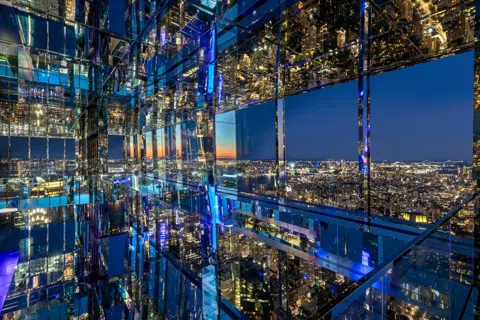
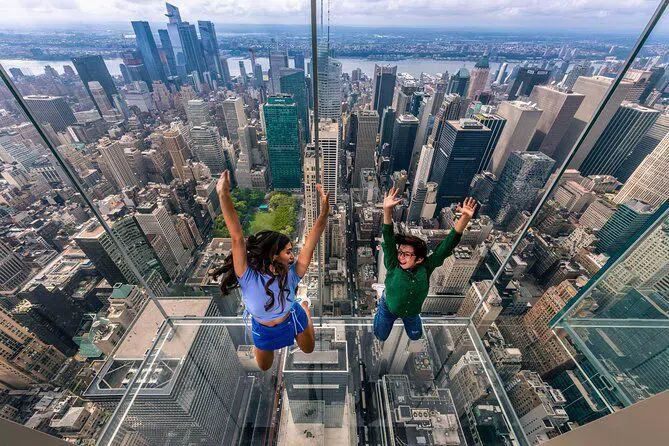
If you are running on Sunday, Saturday is not a sightseeing day, it is a standing-still day. The most honest version of that is SUMMIT One Vanderbilt in Midtown, entered inside Grand Central at 45 East 42nd Street, open 8am to midnight and closed Tuesdays. Timed tickets run about $49 to $79 depending on slot and add-ons, and the events team handles groups and private bookings if there are more than a few of you. You go up, you stand in the mirrored rooms looking down the length of Park Avenue, you come back. Ten minutes of walking, not ten miles.
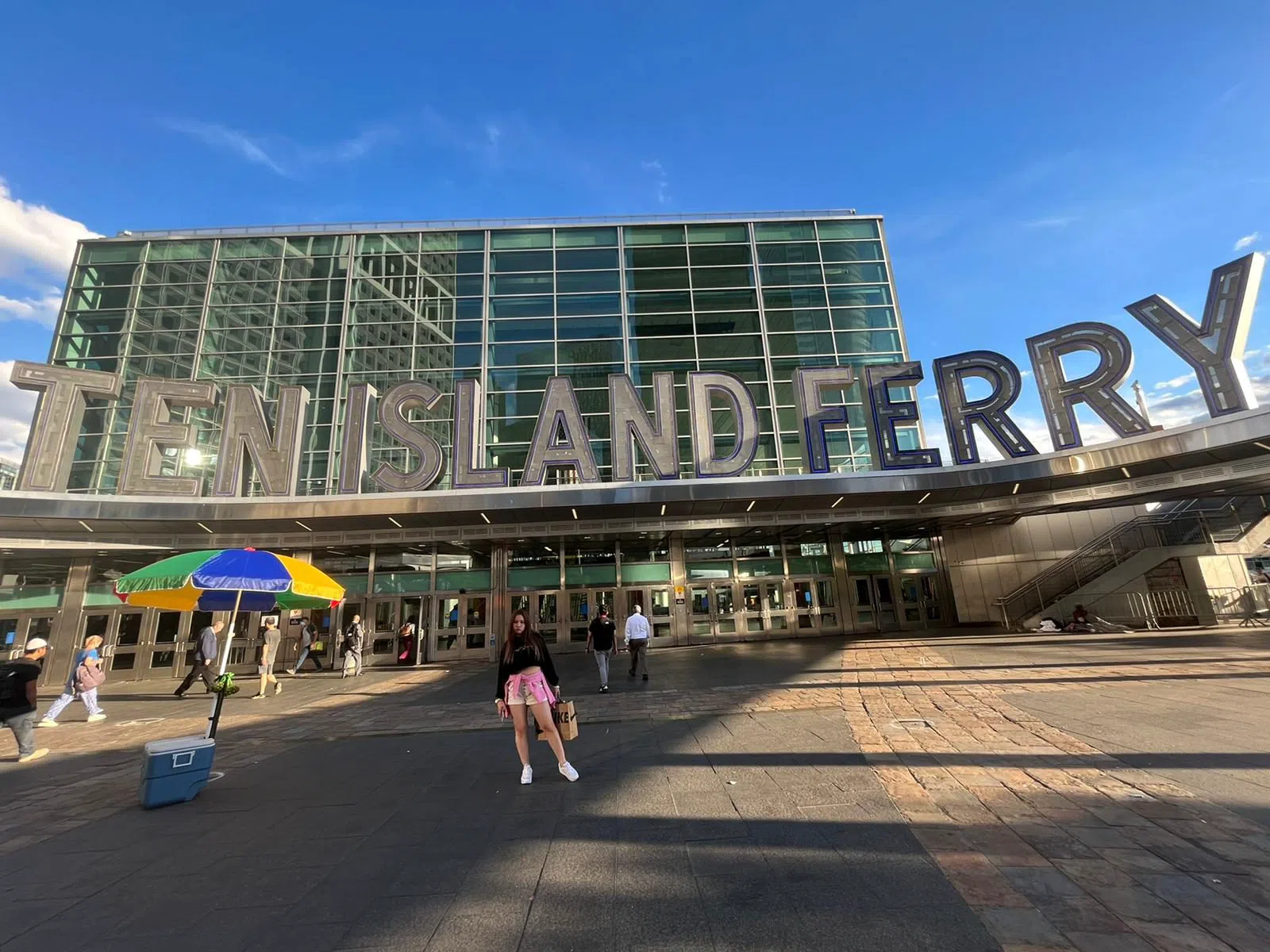
The other one I would keep is the Staten Island Ferry from Lower Manhattan, boarding at Whitehall Terminal, 4 South Street. It is free, it runs around the clock, and the 25-minute crossing to St George gives you the harbour, the bridges and the skyline from the water with no ticket, no booking and no cap on group size. Skip the paid harbour cruises that sell the same view with commentary; this is the same water. Ride it on Saturday, though. On Sunday morning the same crossing is carrying runners toward the start village and you will be fighting a tide of nervous people in bin bags.
A finish-line table you can only book on the wrong days
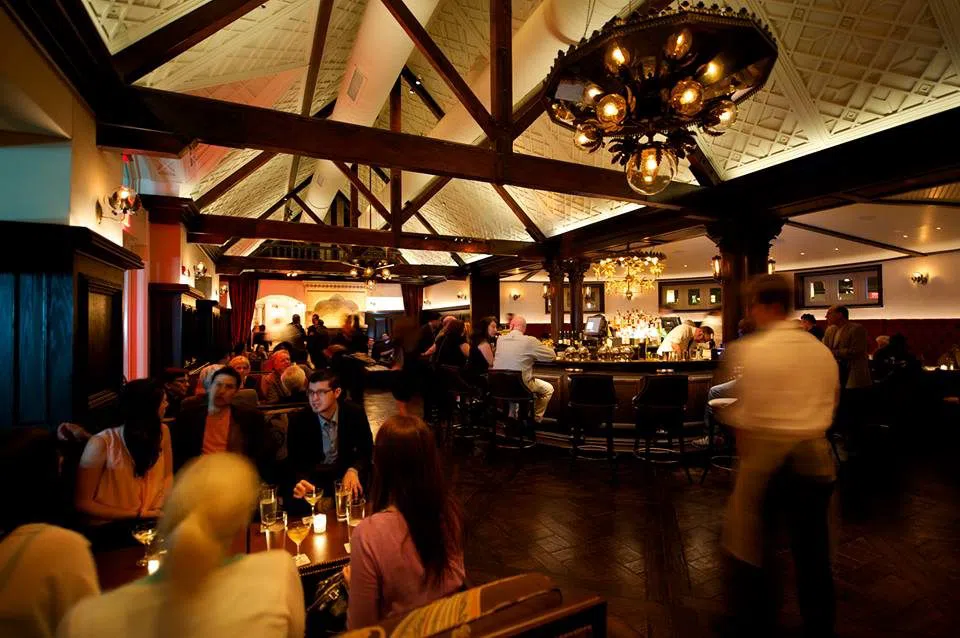
Tavern on the Green sits in Central Park at West Drive and West 67th Street, which is to say it sits at the finish line. That is the appeal and also the catch: on race day the restaurant is inside the controlled finish zone, so a mid-race table is not the plan you think it is. Book it for Saturday lunch, when the park is full of runners walking off their nerves, or for Sunday evening once the barricades have come down and the medals are out. Mains run roughly $32 to $60, it takes large parties across several rooms and handles private events properly, and for marathon weekend you want that reservation in hand weeks out, not days.
The night before, shared down the middle of the table
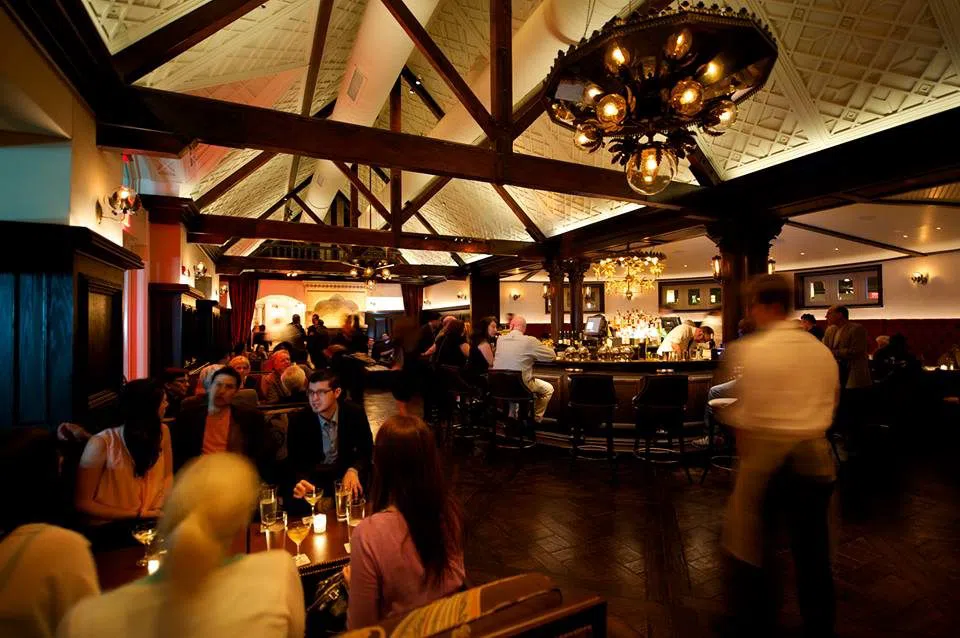
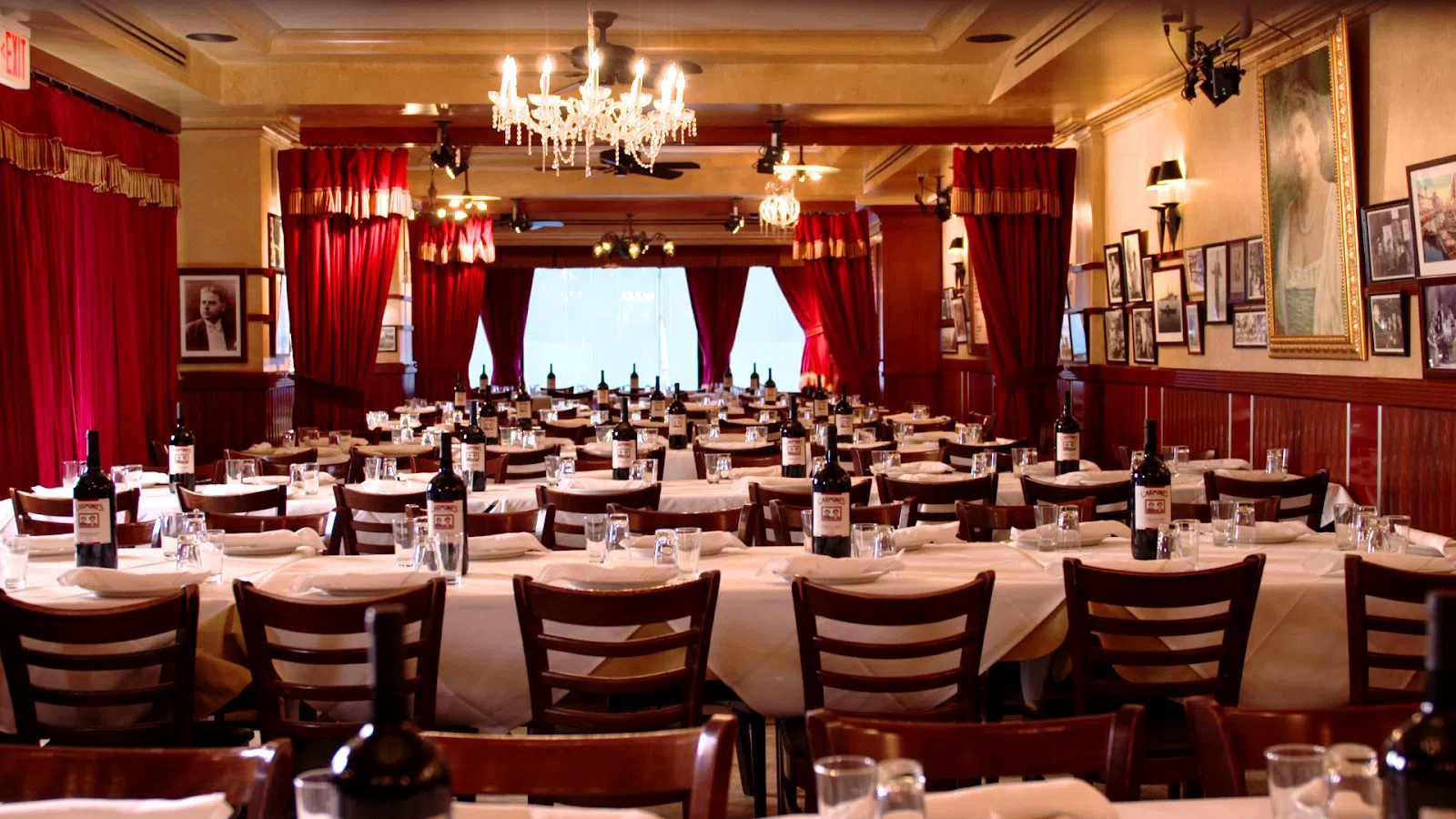
For the night before, Carmine's in the Theater District at 200 West 44th Street is the default for visiting runners and deserves to be. Everything is family-style: shared platters run roughly $40 to $70 and one genuinely feeds two to three people, which solves the arithmetic of a table of eight the night before a race. There are private banquet rooms, walk-ins are welcome, and it stays open to midnight on Saturday. Reserve anyway, because marathon Saturday is one of its heaviest nights of the year. It is not a subtle meal and it is not trying to be; it is a room built for large groups eating a lot of pasta and walking ten minutes back to a Midtown hotel.
Brooklyn at dawn on race morning
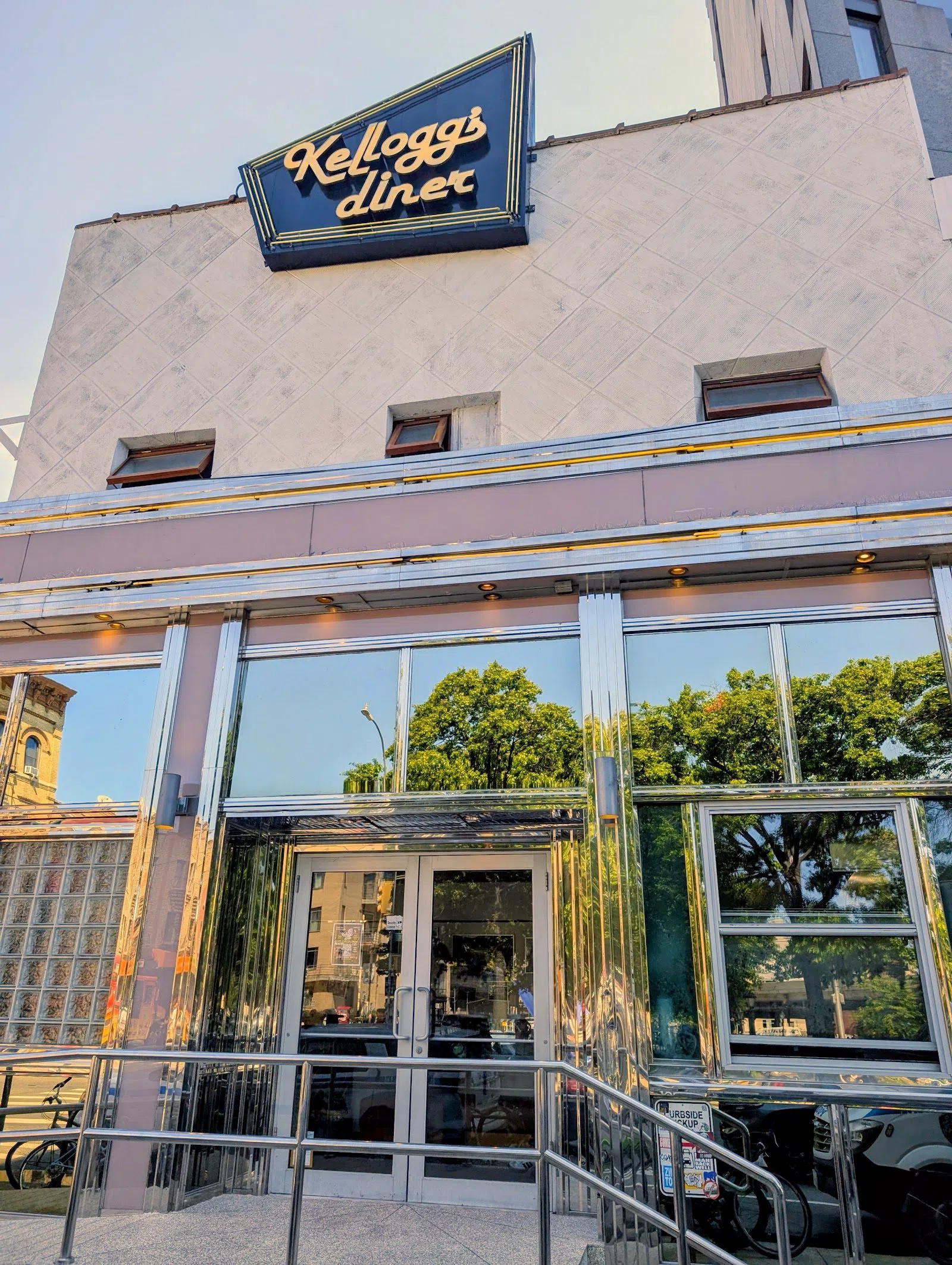
If you want to see the front of the race rather than the back of it, you are in Brooklyn before sunrise, and almost nothing is open. Kellogg's Diner in Williamsburg, at 518 Metropolitan Avenue, is open 24 hours, which on marathon Sunday is the whole point: it is the only decent thing serving at 6am while you wait for the barricades to go up three blocks away on Bedford Avenue. Plates run roughly $14 to $26, the booths take six comfortably, larger parties should use Resy, and there is no door policy to speak of. The L to Bedford Avenue or Lorimer Street puts you on top of it.
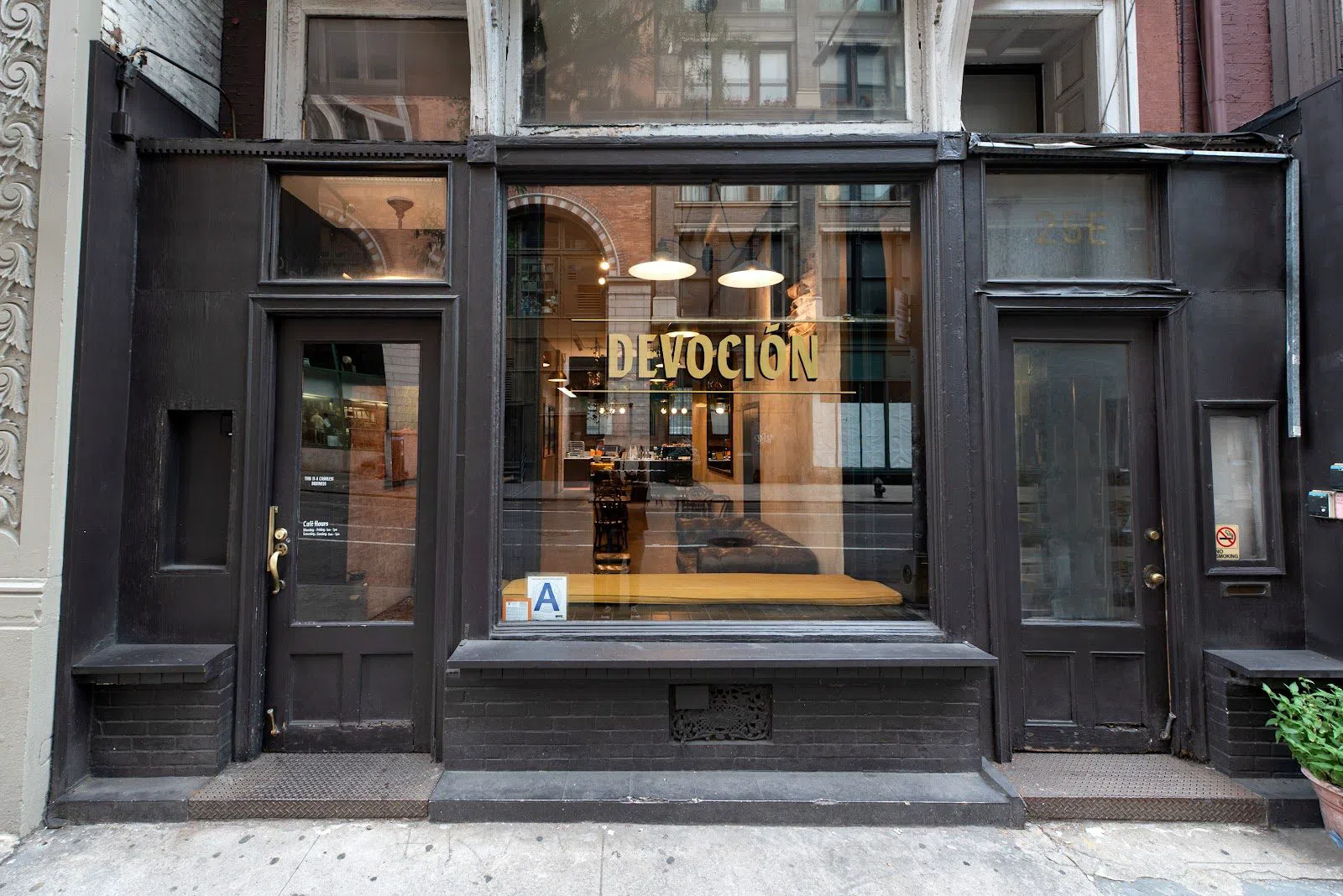
Once it is properly light, Devoción at 148 Grand Street opens at 7.30am on weekends and is a short walk from the course. The beans are milled at origin in Colombia and roasted in Brooklyn within ten days, which is the reason to detour rather than take whatever the nearest deli pours; coffee is roughly $5 to $9. Counter service, big communal tables, no reservations. A group of six to eight works fine here in a way it would not in a small dining room. Get your coffee before the leaders come through miles 10 to 13, because once the course is live, crossing Bedford Avenue becomes a negotiation.
Sunset Park and the late waves
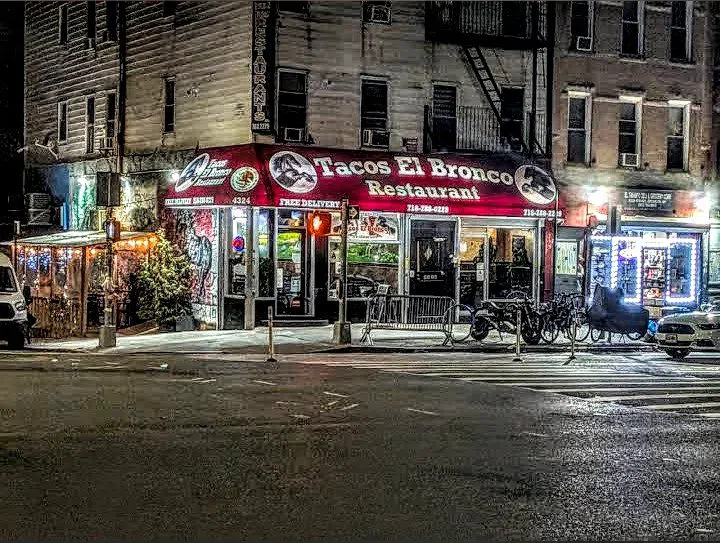
Further south, Tacos El Bronco in Sunset Park at 4324 Fourth Avenue is literally on the course, at miles 5 to 7, where the field is still packed shoulder to shoulder and moving fast. It opens at 11am, so be clear-eyed about the timing: the elite fields and early waves will have long gone through by then, but the mass field is still streaming past well into the late morning and that is a better spectacle anyway, thousands of people rather than dozens. Tacos are roughly $4 to $6 each, it is counter-led, walk-in only, no reservations and no door policy; a group simply takes a few tables. The R to 45th Street drops you a block away, and Fourth Avenue is wide enough that you can find kerb space here long after First Avenue has become impassable.
First Avenue, the loudest three miles in the race
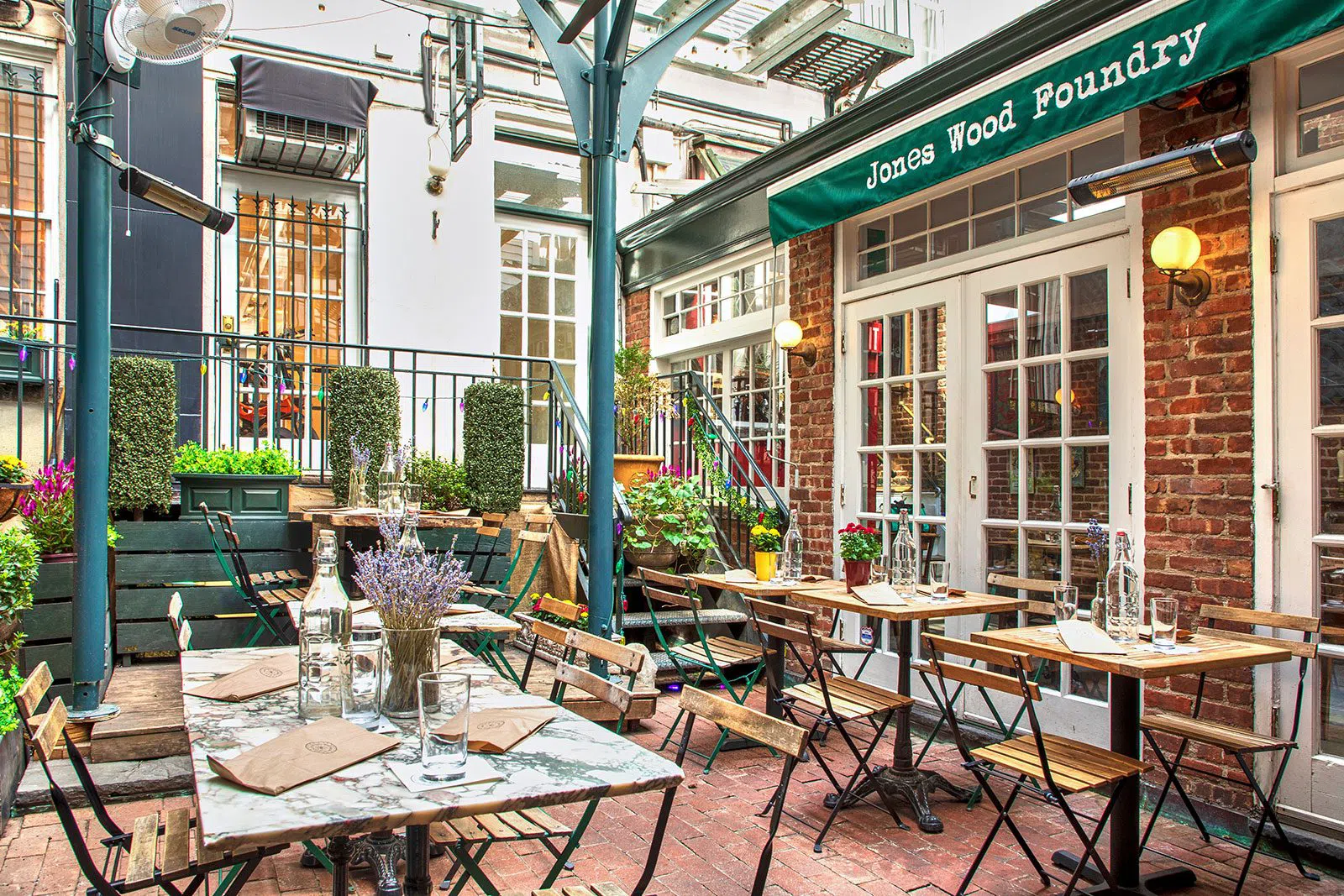
First Avenue between roughly 59th and 96th Streets is the noisiest place in the five boroughs on marathon Sunday, and it is also the most uncomfortable if you have no plan for the four hours you might stand there. Jones Wood Foundry on the Upper East Side, at 401 East 76th Street, is one block off that wall of noise, which makes it the rotation point: an hour on the kerb, twenty minutes in a proper pub with a proper table, back out. It is a British pub done seriously, mains roughly $24 to $40, weekend brunch from 10am, which lines up with the first runners reaching mile 16, and it is used to big weekend tables. Book ahead regardless; the Upper East Side fills solid on race day. The 6 to 77th Street is the obvious approach, and stay on the east side once you are there.
The Bronx miles, where one voice carries
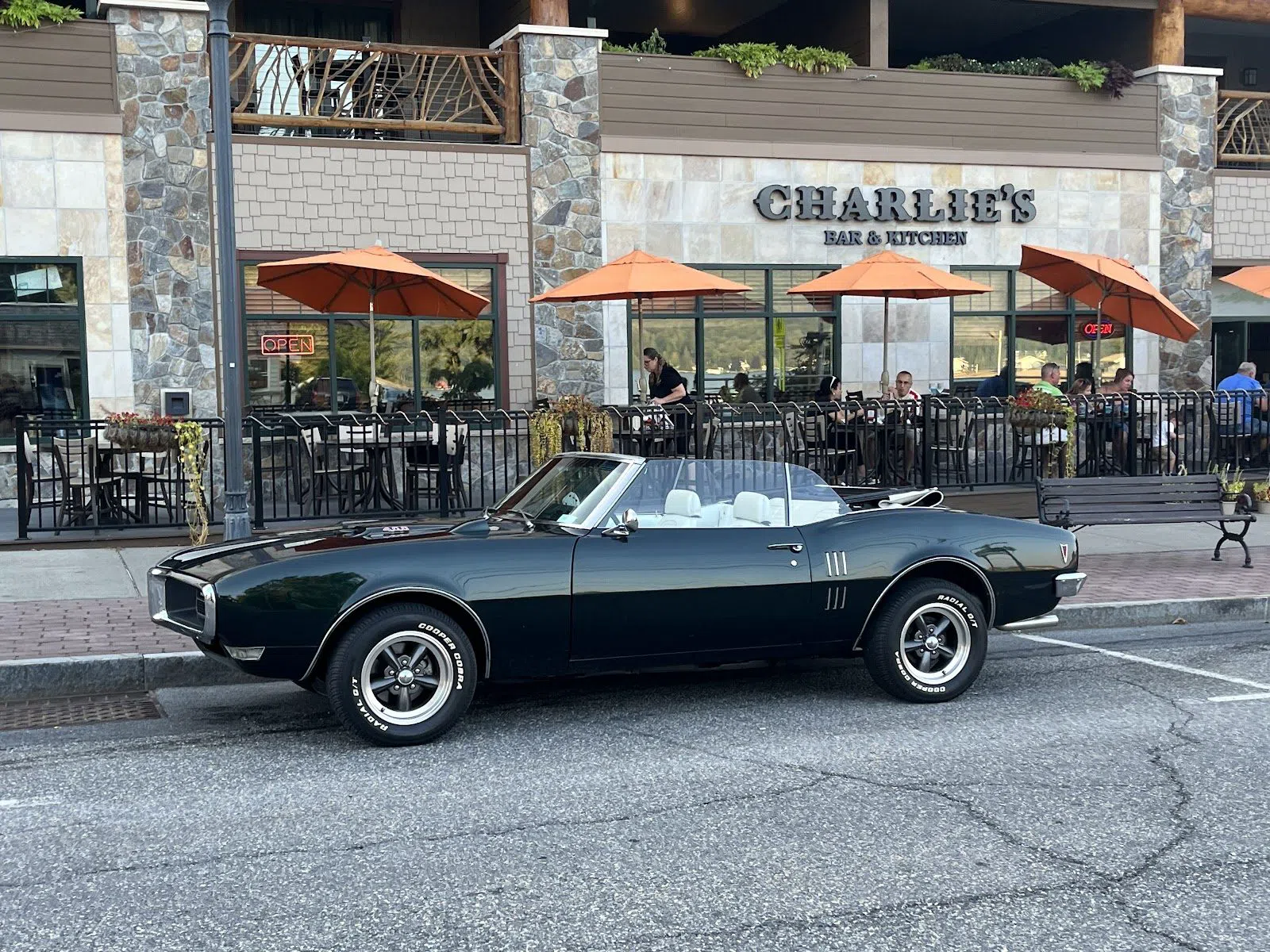
Everybody warns runners about miles 20 and 21. The crowds thin, the bridges break the rhythm, and the race stops being a party. Which is exactly why a spectator is worth more here than anywhere else on the course. Charlie's Bar & Kitchen in Mott Haven, at 112 Lincoln Avenue in the South Bronx, is minutes from the Willis Avenue Bridge and opens at midday on Sunday. Mains run roughly $22 to $42, and unusually it handles parties of 50 and up with a private dining room and full event packages, which is genuinely rare this close to a quiet stretch of the course. If you have a group of colleagues or a club supporting one runner, this is the room. The 6 to Third Avenue-138th Street is a short walk.
Harlem and the climb up Fifth Avenue
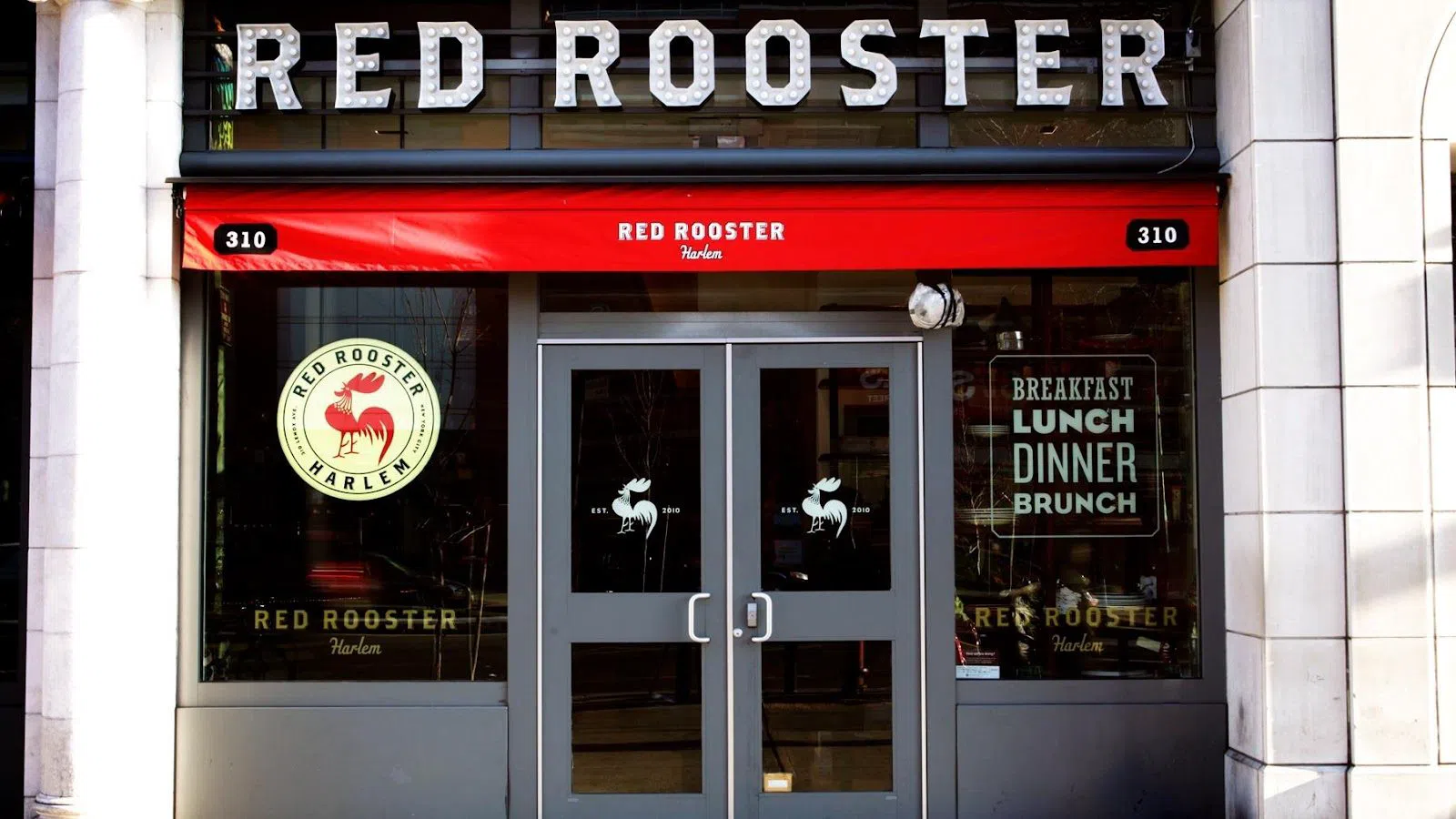
Back in Manhattan the course comes down Fifth Avenue around mile 22, and Red Rooster Harlem at 310 Lenox Avenue, two blocks west at 125th Street, opens at 10am on Sunday. This is the point where runners are hurting most and the crowd genuinely changes the race. Mains are roughly $28 to $48, there is a dedicated events director and private spaces for larger parties, and Sunday brunch books out fast; this is not a walk-in on marathon weekend. The 2 or 3 to 125th Street puts you at the door.
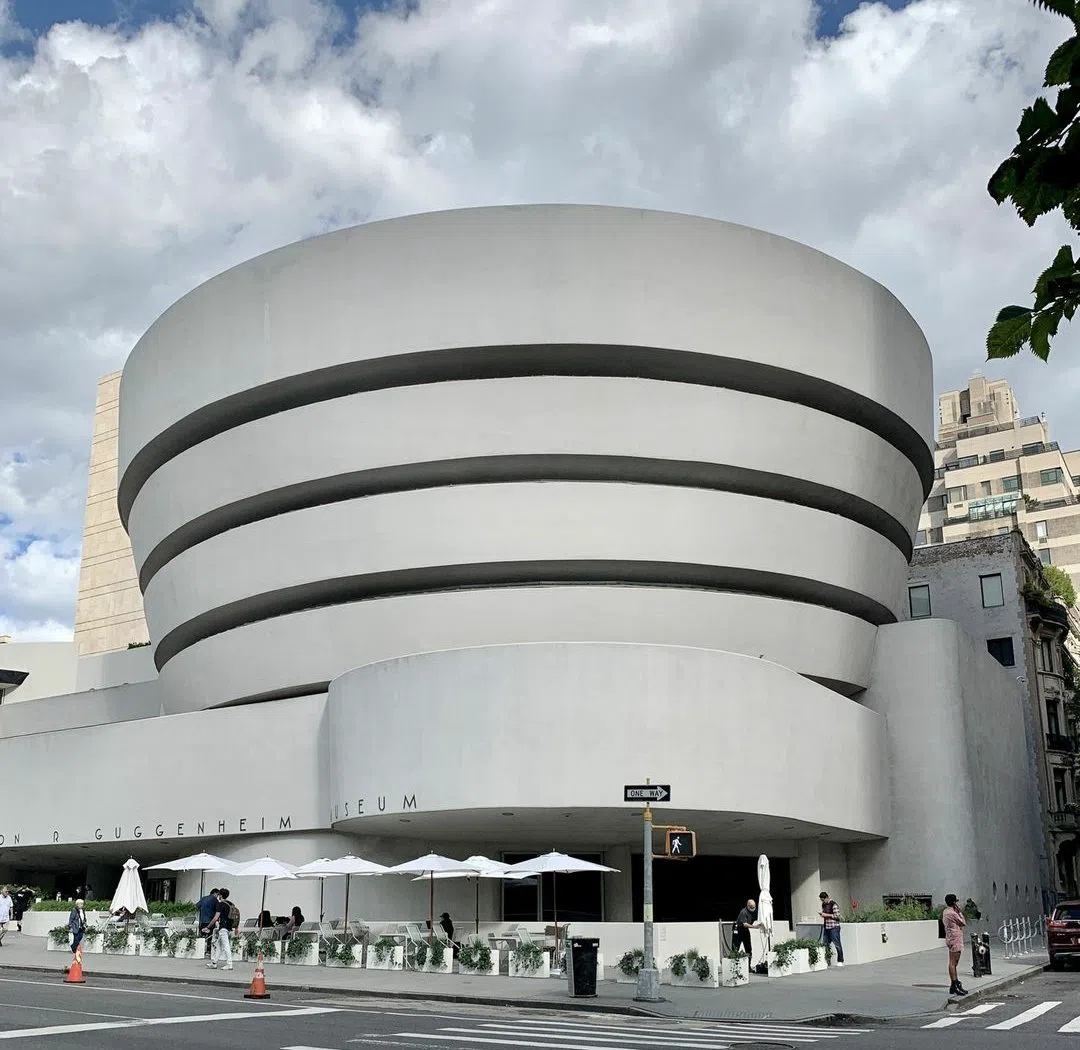
A mile or so south, the Solomon R. Guggenheim Museum on the Upper East Side, at 1071 Fifth Avenue between 88th and 89th, stands directly on the Museum Mile stretch of the course at miles 23 to 24. Frank Lloyd Wright's spiral has been arguing with its Fifth Avenue neighbours since it opened in 1959, and on race Sunday it offers the weekend's neatest trick: watch the runners from the kerb outside, then walk straight in. It opens 10.30am to 5.30pm on Sunday, tickets are $30 adult, $19 senior, free under 12, with pay-what-you-wish from 4pm to 5.30pm on Sundays. Entry is timed and group visits need booking in advance; a large unbooked group will not get in at peak.
Queens once the barricades come down
Dutch Kills in Long Island City, at 27-24 Jackson Avenue, is still the best cocktail bar in Queens, a Sasha Petraske room of dark wood, hand-cut ice and no theatrics. No reservations, no password, no list, which sounds group-friendly until you see the booths: anything above six gets split up. Cocktails are $18, or $15 in happy hour from 5pm to 7pm Sunday to Thursday. It opens at 5pm, so it is a Saturday-night drink or a post-race one near the Queensboro Bridge miles, never a race-morning stop.
Eating late, and the morning after
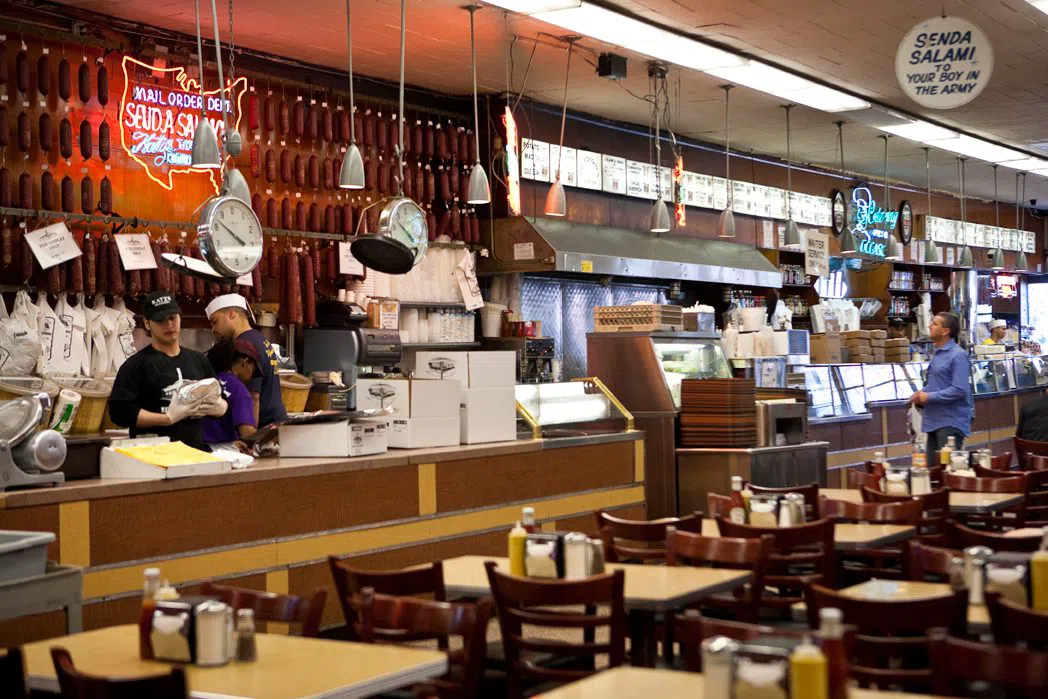
Runners finish hungry at hours when kitchens have given up. Katz's Delicatessen on the Lower East Side, at 205 East Houston Street, stays open continuously from Friday morning through to Sunday night, which makes it the one reliable answer to a 10pm post-race appetite. Sandwiches are around $28, there is no door policy, and large parties should call 212-254-2246 ahead rather than arrive and hope. It has been feeding this street since 1888 and the ticket system has not softened.
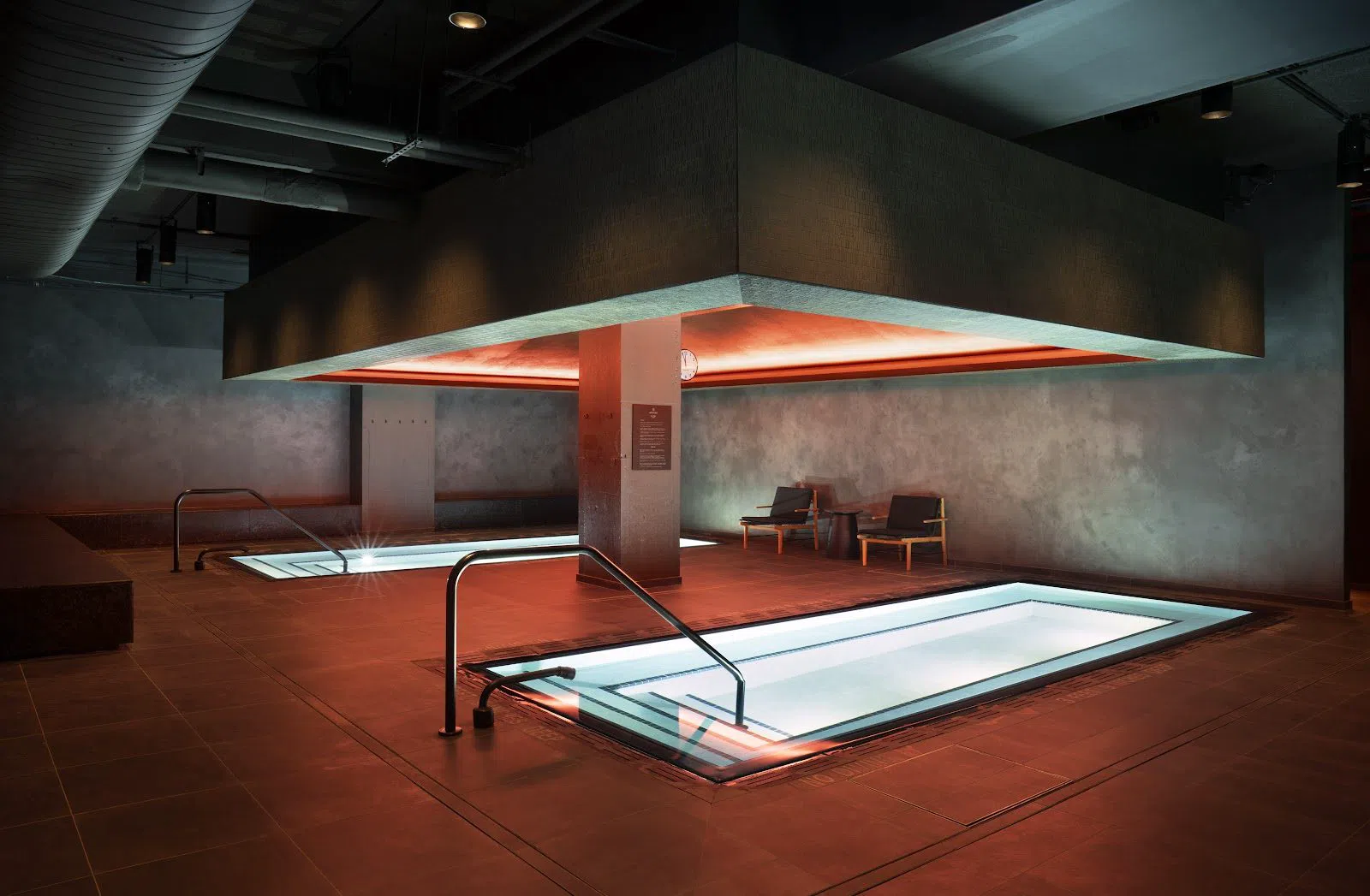
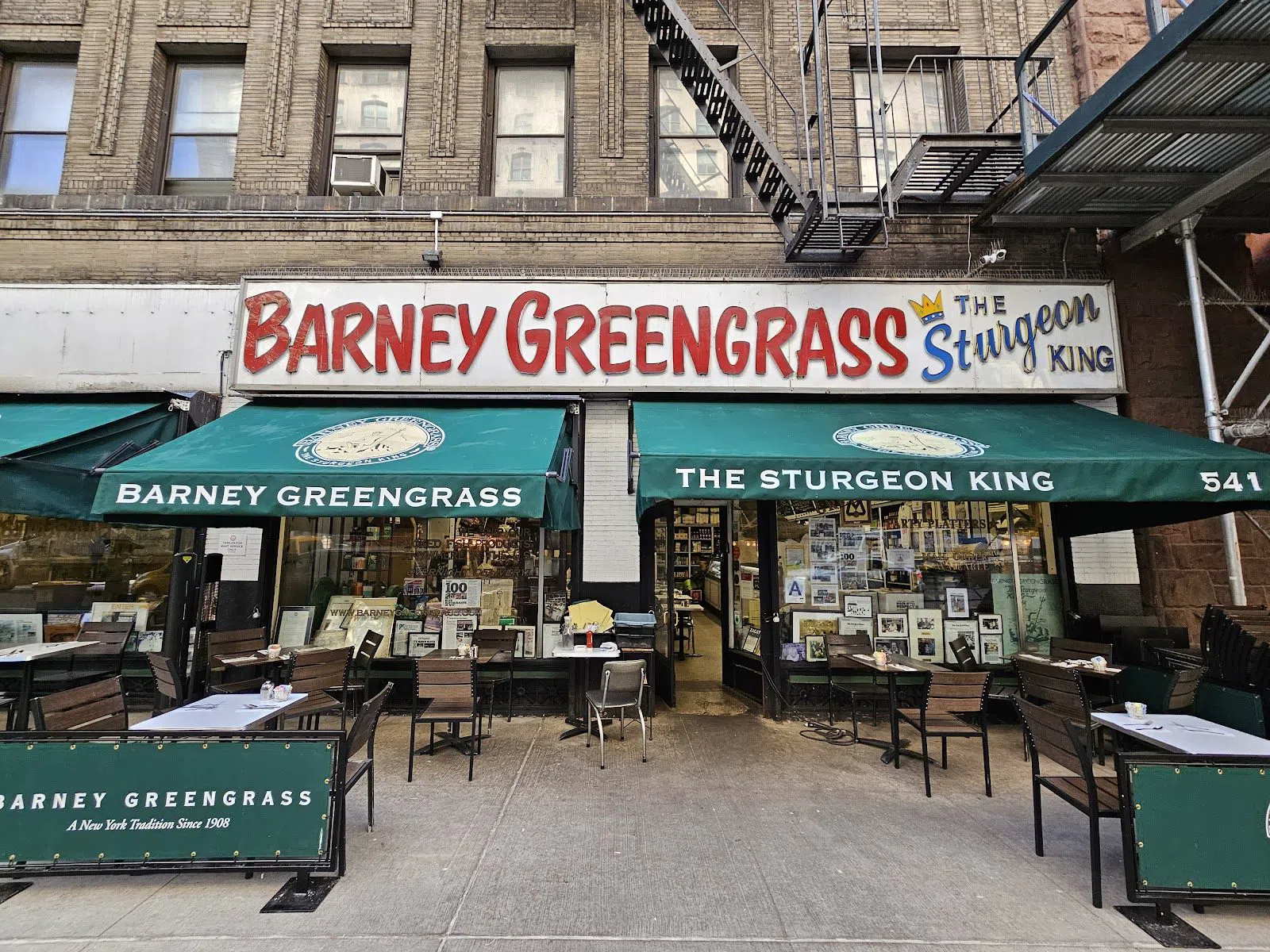
For the morning after the finish, Barney Greengrass on the Upper West Side at 541 Amsterdam Avenue and 86th Street is twelve blocks from the park: sturgeon, sable, eggs and onions, plates roughly $20 to $38. No reservations, brisk turnover, tables that suit four or five rather than ten, and one crucial catch: it is closed Mondays. So it is a Sunday-before or Sunday-evening call, not your recovery breakfast. For that, book Bathhouse in Williamsburg at 103 North 10th Street or Flatiron at 14 West 22nd Street, both open 8am to 11.30pm daily, day passes from $39. Eight thermal pools, saunas and cold plunges, booked per person (get everyone on the same slot), with treatments booked separately. It is the most useful thing a runner can put in the diary for the Monday.
Practical notes
The subway is the only sane way to move on race Sunday; tap a contactless card or phone at the gate and the fare caps itself over a week. The classic spectator move is to leapfrog the field on the 4, 5 and 6 up Lexington Avenue, catching your runner on First Avenue and again on Fifth. Do not plan on crossing the course casually, because crossing points are limited and stewarded, and the route bridges are closed to pedestrians. Taxis and cars are close to useless going east to west in Manhattan all day.
Clocks go back one hour in the United States on the morning of Sunday 1 November 2026. Your phone handles it; your alarm logic might not. The elite waves go early and the last waves are still crossing Staten Island late morning, so a spectator's day realistically runs from 8am to mid-afternoon.
Cards work everywhere, including the counter-service places, though small cash speeds things up at a taquería with a queue down the block. Budget roughly $60 to $100 per person for a sit-down brunch with drinks on the course, $20 to $30 for counter food, and remember tax and an 18 to 20% tip on top of every menu price quoted here.
Book in this order: bib slot first, then Saturday dinner, then Sunday brunch on whichever side of the course you have chosen, then everything else. For the rest of the city either side of the weekend, the New York guide covers what is worth your time when the roads are open again.
Before you go
When is the 2026 New York City Marathon, and when can runners collect a bib?
The race is Sunday 1 November 2026. You can only collect a bib at the expo at the Javits Center, 429 11th Avenue, which runs Thursday 29 to Saturday 31 October; runners book a timed slot in their NYRR dashboard, and the final slot closes at 4pm on Saturday. Nothing is handed out on race morning, so arriving late on Saturday means missing the race.
If I can only watch from one spot, where should I stand?
First Avenue between roughly 59th and 96th Streets, miles 16 to 19, is where the noise is greatest, and Jones Wood Foundry on East 76th Street is one block off it if you need to sit down. If you would rather see the field packed tight and still fast, Fourth Avenue through Sunset Park at miles 5 to 7 is wide, holds fewer spectators and is easier to reach late.
Can I cross the course on race day?
Only at limited stewarded crossing points, and the wait can be long. The route bridges are closed to pedestrians entirely and large sections of Central Park are shut, so choose one side of Manhattan for the day and stay on it. The 4, 5 and 6 trains up Lexington Avenue are the practical way to leapfrog the field and catch a runner twice.
Do non-runners need a ticket for the marathon expo?
No. Spectators and non-runners walk into the Javits Center expo for free without a ticket, and since it is a convention centre there is no practical limit on group size. Only runners need a booked timed slot, and that is only for bib collection. Official kit costs roughly $40 to $150.
What is worth booking for the day after the race?
Bathhouse in Williamsburg or Flatiron is open 8am to 11.30pm daily with day passes from $39, and its thermal pools, saunas and cold plunges are the most useful thing a runner can book for the Monday. Passes are per person, so get your group onto the same slot, and book any treatment separately. Barney Greengrass on Amsterdam Avenue is closed Mondays, so make that a Sunday plan instead.